Tobacco still dominates Zimbabwe's agricultural exports, and the auction floors remain the best-known symbol of the farming economy. But a quieter shift is under way in the crops that attract new capital.
Investors speaking to The Leader say they are less interested in producing more raw crops than in the steps that follow harvest: grading, packing, cooling, drying and processing. That is where margins are higher and where a regional buyer is willing to sign a long-term contract.
The contract farming model
Msasa Agri Holdings, based in Marondera, works with thousands of contract growers. It supplies seed, fertiliser and advice, then buys the crop at an agreed price. Chief executive Tatenda Sibanda says the model only works if the company controls quality from the field onward.
The Leader Intelligence Briefings for Executive Teams
Learn about corporate briefings“Our real product is reliability. A supermarket in the region needs to know the beans will arrive on Tuesday, graded and cold.”
— Tatenda Sibanda, Chief Executive, Msasa Agri Holdings
Crops to watch
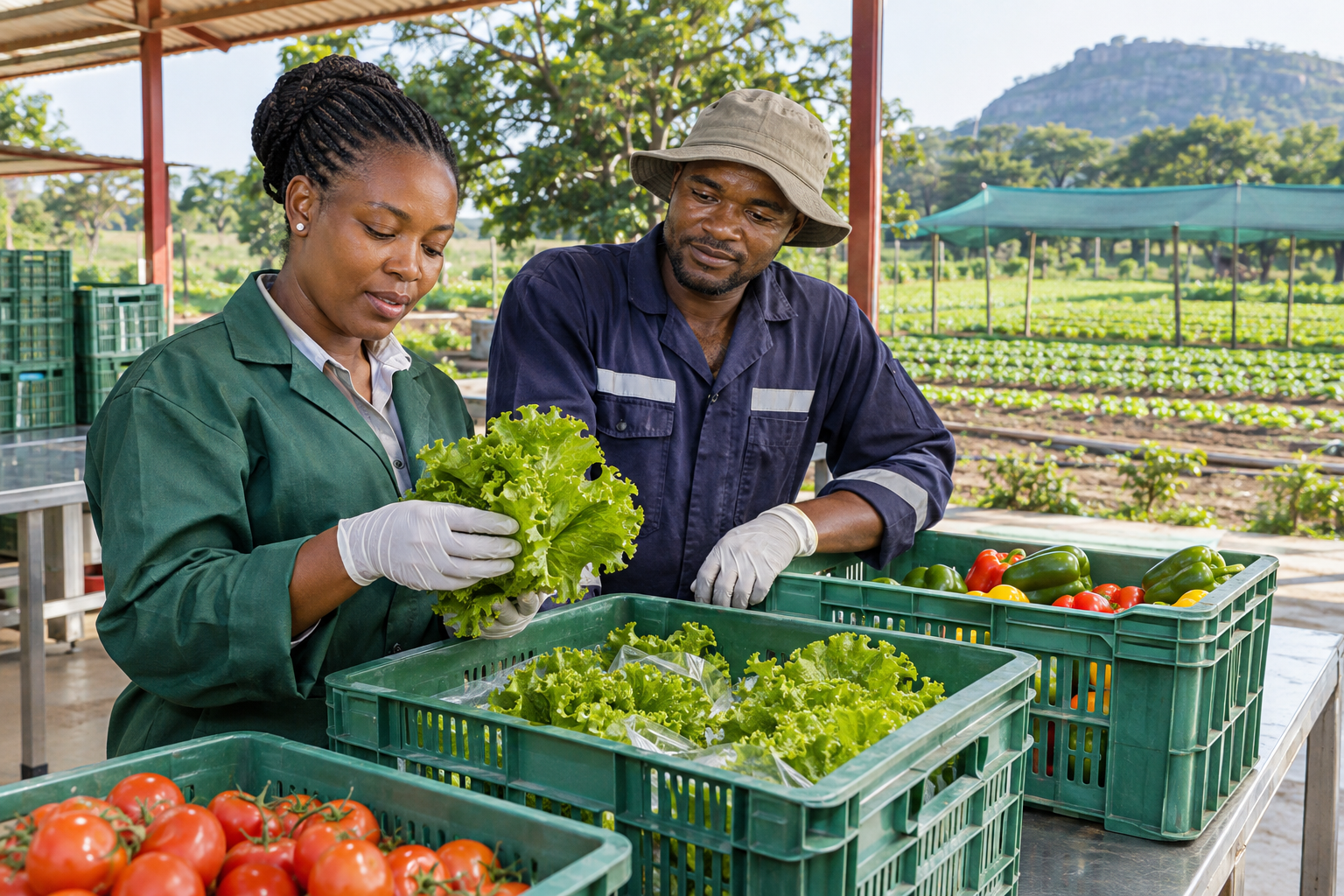
- Fresh vegetables for regional supermarkets, where cold chains make the difference.
- Pulses and legumes, which store well and suit smallholders.
- Macadamia, avocado and citrus, longer-term tree crops with export demand.
- Dried fruit and oils, which can reach distant markets without refrigeration.
The common thread is infrastructure. Without cold rooms, packhouses and reliable transport, even the best harvest loses value quickly. That is why the most active investors are funding facilities as much as farms.
Where this leads
Executive analysis for decision-makers and capital allocators.
- Opportunity
- Processing, packhouses, cold storage and input finance for contract growers.
- Risk
- Weather, currency swings and the cost of meeting export standards.
- What to watch
- New offtake agreements with regional retailers and investment in irrigation.